


Early Screening = Early Detection
- Are you a resident of Worcester County?
- Are you 45 years old or older?
- Have limited income?
- Have no health insurance or insurance that does not completely pay for:
- Doctor Consultation
- Physical Exam
- Colonoscopy
- Follow-up
- Have insurance, but need support getting the screening or follow-up?
If you meet any or all of those criteria, you may be eligible for cancer screening at no cost to you.
The Colorectal Cancer Screening Program may also be able to help with:
- Scheduling appointments
- Finding transportation to appointments
- Understanding the exam results, including when your next screening is due
- Understanding any follow-up exams your doctor recommends
New Screening Option: Now Offering Cologuard! 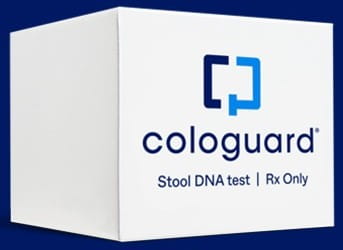
Cologuard is:
a stool test that allows you to collect your sample at home and mail to the lab. It is recommended to be done every 3 years.
More About Cologuard:
- New form of testing that can be done at home
- Can be used for colorectal cancer screening instead of colonoscopy if you have no symptoms or no history of colorectal cancer
- Free of charge or covered by insurance
- The kit is sent straight to your home, and shipping costs to send out completed tests are covered
To find out if you are eligible to participate in the Colorectal Cancer Screening Program, fill out the interest form down below or call 410-632-1103.
What Is Colorectal Cancer?
Cancer is a disease in which cells in the body grow out of control. Colorectal cancer is cancer that occurs in the colon or rectum. Colorectal cancer is the second leading cancer killer in the U.S. among cancers that affect both men and women. But it doesn’t have to be. Routine screening for colorectal cancer beginning at age 45 (or earlier depending on risk factors) can save lives!
You May Be at Increased Risk If:
- You or a close relative have had colorectal polyps or colorectal cancer.
- You have inflammatory bowel disease, Crohn’s disease, or ulcerative colitis.
- You have a genetic syndrome such as familial adenomatous polyposis (FAP) or hereditary non-polyposis colorectal cancer (Lynch syndrome).
People at increased risk for colorectal cancer may need earlier or more frequent tests than other people.
For more information about Colorectal Cancer and risk factors, visit: CDC.gov